What is Biochar?
Biochar is a charcoal-like material produced from heating biomass in the absence of or with very limited oxygen, a process known as **pyrolysis**. Unlike regular charcoal, which is typically used for fuel, biochar is designed to be a stable carbon material that, when applied to soil, provides a range of long-term benefits. Its origins can be traced back to the ancient Amazonian civilization's practice of creating "Terra Preta" or "dark earth," which significantly improved the fertility of nutrient-poor tropical soils (Lehmann & Joseph, 2009).
The defining feature of biochar is its highly porous structure and high carbon content. This unique composition makes it an exceptional soil amendment, capable of improving soil's physical, chemical, and biological properties. By trapping carbon in a stable form, biochar also plays a critical role in carbon sequestration, acting as a powerful tool in mitigating climate change.
Benefits of Biochar
The integration of biochar into agricultural practices provides a multitude of advantages that contribute to both environmental sustainability and increased crop productivity.
Soil Fertility and Structure
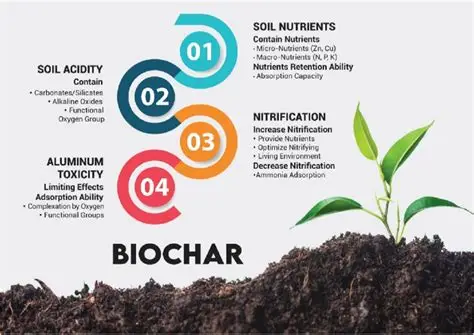
Biochar's porous nature acts like a sponge, increasing the soil's capacity to retain water and nutrients. Its high surface area and negative charge allow it to bind to positively charged ions, a process known as cation exchange capacity (CEC). This prevents essential nutrients like nitrogen and phosphorus from leaching out of the soil, making them more available for plant uptake and reducing the need for synthetic fertilizers (Jeffery et al., 2011).
Carbon Sequestration
One of the most significant environmental benefits of biochar is its ability to sequester carbon. During pyrolysis, the carbon from the biomass is converted into a highly stable form that can remain in the soil for hundreds to thousands of years. This process effectively removes carbon dioxide from the atmosphere, providing a viable strategy for long-term climate change mitigation (Lehmann & Joseph, 2009).
Water Retention and Drought Resistance
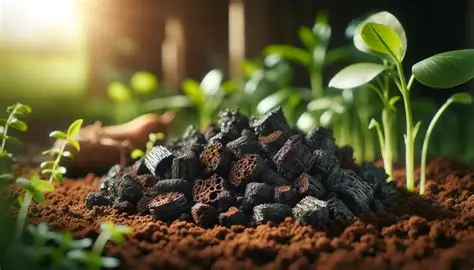
The honeycomb-like structure of biochar helps to improve soil's water-holding capacity, which is particularly beneficial in sandy or arid soils. By holding moisture in the root zone, biochar-amended soils can better withstand periods of drought, ensuring more consistent crop yields.
Microbial Habitat
Biochar provides a safe and favorable habitat for a wide range of beneficial soil microorganisms. Its porous surface offers shelter from predators and environmental stresses, promoting a thriving microbial community that enhances nutrient cycling and improves overall soil health.
How to Produce Biochar
The production of biochar relies on **pyrolysis**, a thermochemical decomposition of organic material at high temperatures (300–700°C) in a low-oxygen environment. This process prevents the biomass from burning completely, instead transforming it into three main products:
- Biochar: The solid, carbon-rich residue.
- Syngas: A combustible gas mixture that can be used to power the pyrolysis process itself.
- Bio-oil: A liquid product that can be further processed into renewable fuels or other chemicals.
The type of feedstock (wood, crop residues, manure) and the specific pyrolysis conditions, such as temperature and residence time, can significantly influence the properties of the final biochar product. For example, high-temperature pyrolysis (>500°C) generally produces a more aromatic and stable biochar with a higher carbon content, while lower temperatures may result in a product with more functional groups and a higher nutrient content (Lehmann & Joseph, 2009).
Applications of Biochar
Biochar's unique properties have led to its adoption in a variety of fields beyond just agriculture.
Agriculture and Horticulture
Its primary use is as a soil amendment to enhance soil health and boost crop yields. Biochar is also used in compost to accelerate decomposition, as a carrier for beneficial microbes, and in potting mixes for nurseries and urban gardens.
Environmental Remediation
The high porosity and surface area of biochar make it an effective adsorbent for pollutants. It can be used to filter heavy metals and other contaminants from water, immobilize pollutants in contaminated soils, and even absorb odors from animal waste and composting facilities.
Waste Management
Pyrolysis technology offers a sustainable way to manage organic waste streams by converting agricultural residues, wood waste, and other biomass into valuable biochar and bioenergy, diverting them from landfills.
Livestock and Construction
Biochar can be added to animal feed to improve digestive health and reduce methane emissions. In construction, it can be used as a component in building materials to improve insulation, reduce weight, and enhance carbon footprint.
Photo Gallery
References
- Lehmann, J., & Joseph, S. (Eds.). (2009). Biochar for environmental management: science and technology. Earthscan.
- Jeffery, S., Verheijen, F. G. A., van der Velde, M., & Hinsinger, A. (2011). Biochar boosts tropical but not temperate crop yields. Environmental Research Letters, 6(2), 024004. https://doi.org/10.1088/1748-9326/6/2/024004
- MIT Climate Portal. (n.d.). Biochar. Retrieved from https://climate.mit.edu/explainers/biochar
- Regeneration International. (2018, May 16). What is Biochar?. Retrieved from https://regenerationinternational.org/2018/05/16/what-is-biochar/
- Wikipedia. (n.d.). Biochar. Retrieved from https://en.wikipedia.org/wiki/Biochar